Botox occupies an unusual place in aesthetics. It is at once simple and technical, quick yet strategic, subtle when done well and conspicuous when misjudged. If you are new to botox injections or you have a few cycles behind you, the question that inevitably arises is how to time your touch-ups. The answer is less about a fixed calendar date and more about how your muscle activity, skin quality, and treatment goals intersect over months and years.
This guide reflects a practical, clinic-level view. It combines the science of botulinum toxin with lived experience from botox appointments, where expectations, anatomy, and real-life schedules have to align.
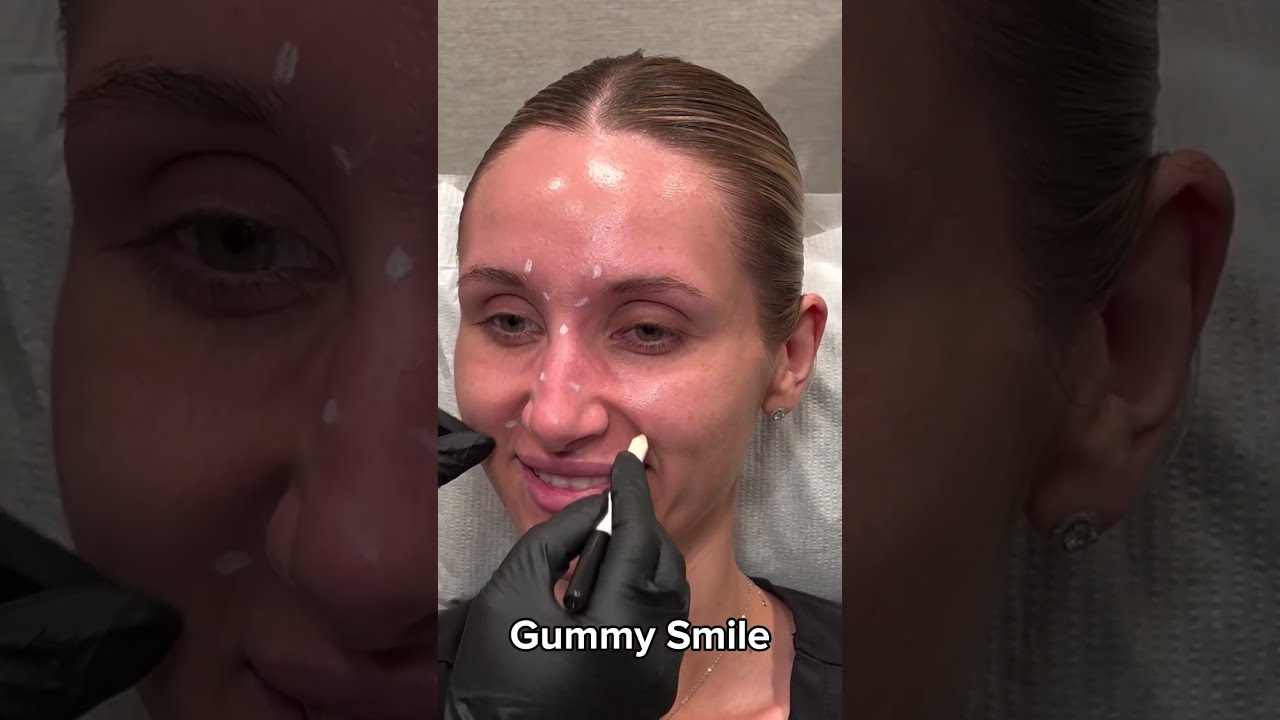
What a Touch-Up Really Means
In clinical language, a touch-up is a focused, smaller botulinum toxin injection session designed to refine the result of a recent treatment. It is not a full repeat appointment and it should not reset the clock on your entire face. A proper touch-up targets specific muscles that are either under-treated, asymmetrical, or have metabolized the product faster than neighboring areas.
Two distinct scenarios often get lumped under the “touch-up” umbrella. Early refinement takes place 10 to 21 days after your initial botox procedure. This is for tweaking dose distribution once the full effect has settled, not for adding more just to add more. Late maintenance happens when your previous results are wearing off and you want to nudge longevity or symmetry without returning to a full slate of areas. Knowing which category you are in helps your botox provider set the right plan and price.
The Timeline of Botox Effectiveness
Most patients begin noticing botox results within 3 to 7 days, with peak smoothing and softening at roughly 14 days. That window matters because day 14 is the usual first checkpoint for botox before and after comparisons and is generally when a certified botox injector evaluates whether any small adjustments are appropriate.
The duration of effect is a range, not a date on your calendar. For forehead botox and frown line botox (glabellar complex), results commonly last about 3 to 4 months, sometimes up to 5 months in lower-movement patients. Crow feet botox can soften earlier and fade a bit sooner due to the muscle’s dynamic use when smiling or squinting. Factors driving these variations include metabolic rate, baseline muscle bulk, the number of botox units placed, injection technique, and your individual pattern of facial expression.
People who work out daily at high intensity or who have very expressive brows can see shortening by a few weeks. Others who prefer subtle botox and lower doses will enjoy a natural look but may trade off some longevity. These are not failures of botox treatment, just the biology and lifestyle realities guiding botox maintenance.
Why Touch-Ups Are Sometimes Necessary
Even precise, professional botox injections can need refining. Real faces are asymmetrical, which means an identical dose on each side rarely behaves identically. The frontalis muscle that elevates the eyebrows varies in width and height from person to person. The corrugator and procerus muscles that create frown lines can have different fiber depths. Crow’s feet involve overlapping muscle vectors from the orbicularis oculi that interact with cheek movement. That is a long way of saying a small mismatch can surface as one brow lifting a millimeter higher than the other or a faint smirk-line still peeking through when you grin.
Touch-ups serve three main purposes. First, correction of under-treatment, where a faint line persists because the initial dose was appropriately conservative but ultimately insufficient. Second, symmetry refinement, where one side of the forehead or one crow’s foot requires a couple of extra units to match the other. Third, muscle balance, where a strong lateral brow lift creates a peaked eyebrow look, the so-called “Spock brow.” A tiny dose along the lateral frontalis can lower that peak and restore a smoother arch.
The key phrase is tiny dose. A good botox specialist aims to preserve expression while smoothing lines. The skill is in resisting the urge to over-correct. A touch-up should not be a second full treatment.
How Long Does Botox Last, and When to Book Again
The honest answer is: 3 to 4 months is the average, with individual areas deviating. Forehead lines and frown lines often sit near the high end of that range for routine dosing. Crow’s feet and very subtle baby botox tend to land between 8 and 12 weeks. Preventative botox, also called preventive botox, uses smaller units in younger patients who have faint or intermittent rhytids. Results look natural and light but often require earlier maintenance.
" width="560" height="315" style="border: none;" allowfullscreen="" >
A useful rule of thumb for planning your botox appointment is to book a check around the 12 to 14 week mark if you aim for consistently smooth expression lines without big fluctuations. If you prefer a softer rhythm of “on” and “off” periods, waiting 4 to 5 months and then repeating might suit you better. For patients who rely on medical botox to manage migraines or bruxism, the timeline and dosing pattern follow a different protocol and should be discussed as a separate plan.
The Early Touch-Up Window: 10 to 21 Days
This is the period that matters for fine-tuning. Before day 10, the drug may still be settling. After day 21, subtle changes are less likely to appear spontaneously. When something looks slightly off at day 14, it is appropriate to return for a precise, minimal addition.
Examples help. Suppose a patient walks in at day 14 after a standard pattern for frown line botox and reports that the “11s” are improved but still faintly visible at maximal frown. If the provider intentionally started light because it was the patient’s first botox cosmetic injections session, a touch-up of 2 to 6 units in targeted points can close the gap. Or imagine a patient who raises her brows when she speaks. At day 14 she sees minor striations laterally, even though the central forehead is smooth. A small lateral placement, often 2 to 4 units per side, can even the effect.
Clinics treat this early window as part of safe botox treatment standards. Many offer a complimentary or reduced-cost tweak within a two to three week span if the initial plan was conservative. Policies vary, so ask about botox cost and touch-up rules at your botox consultation.
Late Maintenance: Extending a Good Result Without Overdoing It
By month 3, you will feel movement coming back in waves. Some describe it as the outside of the brow waking up first, or a little furrow returning between the brows when concentrating. Late maintenance can target a specific muscle that is waking up more quickly than the rest. This is where a few well-placed units can stretch your botox longevity while keeping expression balanced.
Not everyone needs this. Some people prefer to let everything slowly return and book a full session at 4 months. Others with public-facing roles, heavy on-camera time, or steady photo schedules like a smoother curve rather than a saw-tooth pattern of “fully on, then off.” Your profession and preferences shape this decision as much as anatomy does.
Dosing, Units, and Precision
Botox dosage is both art and math. The label ranges for common cosmetic areas are guidelines, not rules. For example, many experienced injectors consider 10 to 20 units for the glabella typical, 6 to 16 units for the frontalis depending on forehead height and brow position, and 6 to 12 units per side for crow’s feet. Baby botox or subtle botox plans can halve those figures but shorten duration. Repeat botox treatments often settle into an individualized map that holds steady across sessions, with small tweaks for seasonality, stress, and lifestyle.
Touch-ups are smaller by design. Think in increments of 2 to 4 units at a time for minor adjustments, with careful re-evaluation a week later if needed. Less is almost always more at this stage. Overcorrection leads to flat expressions, eyebrow heaviness, or smile changes at the crow’s feet that read artificial.
Why Some Areas Need Touch-Ups More Than Others
Different muscles, different behavior. The corrugators create a powerful inward pull, so when they are strong, they can overpower a conservative initial dose. The frontalis is the VA botox treatment options only brow elevator. That makes it tricky, because weakening it too much drops the brows and narrows the eyes. To keep brows lifted and eyes open, injectors often under-dose the lower central forehead and rely more on the upper portion. This anatomical puzzle is why unevenness or a lateral peak can show up after the first two weeks and justify a micro-adjustment.
The crow’s feet area involves smiling, squinting, and sun exposure. Even with good technique, these fibers may metabolize botulinum toxin faster. Outdoor athletes, lifeguards, or anyone who squints a lot may notice earlier return on the sides. A small late maintenance touch-up keeps the area even without freezing the smile.
The Role of Skin Type, Age, and Lifestyle
Younger patients using preventative botox usually have fine expression lines rather than etched-in static lines. Lower doses can flatten movement and delay permanent crease formation. At the same time, lower dose means shorter duration. Expect more frequent light touch-ups if you want a near-constant airy look from anti wrinkle botox without cycles of full return.
Mature skin with deeper lines may require a different strategy. Botox softens dynamic movement, but etched lines benefit from combination therapy. For example, pairing botox for frown lines with microneedling or a light resurfacing plan can help the skin remodel. For horizontal forehead lines that persist even at rest, a blend of botox and, later, a small amount of hyaluronic acid filler in select patients can help when appropriate. In these cases, a “touch-up” might be about repositioning dose rather than adding a lot more units.
Lifestyle matters. Intense exercise can increase metabolism and shorten duration modestly. High stress tends to increase frowning and brow elevation throughout the day, which can also erode results faster. Sun exposure and squinting invite earlier movement around the eyes. None of this is a reason to skip the gym or stay indoors. It simply frames expectations. A six-day-a-week runner may do best with tighter intervals, while a lighter exerciser can often stretch the timeline.
Safety, Side Effects, and When Not to Touch Up
Safety begins with an experienced, certified botox injector. A trusted botox clinic will review your medical history, discuss botox risks, and explain technique before any botox injection process. Typical botox downtime is minimal. You might see small bumps at injection sites for 10 to 20 minutes, a tiny bruise, or mild tenderness. Avoid heavy workouts for the rest of the day and skip facials, saunas, and upside-down yoga that evening.
Side effects that warrant attention include eyelid or brow ptosis, asymmetry that worsens over time, smile changes after crow’s feet treatment, or headache that doesn’t ease within a day or two. In the rare event of true ptosis, your injector can guide supportive measures. Do not chase ptosis with more forehead botox. That can make brow heaviness worse. Also, if significant swelling or unusual pain occurs, call your provider.
There are also times not to touch up. If you are only five days out from your botox appointment and you fear nothing has happened, wait. The product needs time. If your asymmetry is subtle and does not bother you in motion or photos, skipping a tweak may be wiser than risking overcorrection. And if you are considering a touch-up solely because a friend looks “frozen” and you want to match them, remember that natural looking botox that suits your face usually looks better in person and on camera than an overly still expression. Longevity is nice, harmony is better.
How a Good Clinic Manages Expectations
During a thorough botox consultation, a provider should document your baseline expressions, photograph key angles, and ask how you use your face. Do you speak with your eyebrows? Do you prefer a lifted tail or a straighter brow line? Do you wear glasses that you constantly adjust, which prompts repeated frowning? These details influence dose mapping more than many patients realize.
A top rated botox practice will also explain price structure up front. Some charge by the unit, others by the area. A clinic may price an early touch-up differently than a full visit. If you are looking for affordable botox, ask how botox specials or botox deals are handled without compromising safe botox treatment. Cut-rate pricing that pushes too few units or poor technique is not a bargain when you need repeated fixes. The best botox resides where skill, communication, and consistency meet, not the lowest botox price per unit.
The Subtle Art of Natural Results
Patients often ask for natural looking botox that smooths lines but keeps animation. Achieving this takes more than a low dose. It requires directionality. For forehead botox, aiming to quiet the central horizontal lines while preserving lateral lift helps the eyes look open but not surprised. For frown line botox, targeting the corrugators so they relax inward pulling without spreading widely into the frontalis prevents a heavy brow. For crow’s feet, placing units at the right depth reduces smile crinkling without flattening cheek expression.
Touch-ups are the moment to protect that natural look. If a brow peak appears, a minuscule drop to the lateral frontalis restores balance. If a micro-line remains at the inner corner of the eye, one extra unit in a shallow plane may be enough. Over-touching risks trading lifelike movement for a uniform stillness that reads as “work done.”
Preventing the Need for Excessive Touch-Ups
Prevention sits on three pillars. First, dosing strategy: start with a rational plan based on your previous botox results, muscle strength, and goals. If you are new, a conservative first pass plus a planned 14-day check works better than guessing high and regretting it. Second, injection mapping: place botox units where your facial lines originate, not just where they appear. Third, habit coaching: sunglasses in bright conditions, good skin care, and mindful relaxation of a frown can extend botox longevity by weeks.
A quick anecdote from practice illustrates the point. A television reporter with strong frontalis movement used to require a touch-up every eight to ten weeks. We adjusted by planning a slightly higher initial dose at the upper forehead, left the lower forehead lighter to protect her brow position, and coached her to pause brow lifting during rehearsals. She extended to a steady 12 to 14 week rhythm with fewer tweaks and a more natural look on camera.
The Cost Question
Patients care about botox cost because touch-ups that weren’t expected can feel like a surprise expense. Clinics vary widely. Some include a small early refinement at no charge. Others price a minimum visit fee or per-unit additions. If you are shopping for a botox provider, ask specific questions: Do you offer a day-14 check? How do you handle minor asymmetry? What is the cost if we need 2 to 6 extra units?
Affordability should never outrank safety, product authenticity, and injector experience. Trusted botox providers use genuine, temperature-controlled product and maintain clear documentation. If you find pricing that seems implausibly low, ask what you are receiving and how complications are handled. The downside risk of bargain hunting in aesthetics is not a slightly reduced result; it is an unnatural look or, in rare cases, complications that take months to resolve.
What a Touch-Up Appointment Feels Like
Expect a shorter visit than your original botox injection process. Your injector will review what you liked and what you would change, then re-check photos or notes. They will mark a few points, clean the skin, and place tiny amounts with a fine needle. Most patients rate botox pain level as minimal, describing a quick pinprick and brief pressure. The entire touch-up usually takes 5 to 10 minutes. You can resume normal activity immediately, aside from avoiding strenuous exercise and face-down massage that day.
Results from a touch-up settle on the same timeline as a full treatment, with noticeable changes in 3 to 7 days and full effect at about two weeks. If the tweak is very small, you may see balance sooner. Give it the full two weeks before judging.
When a Touch-Up Signals a Bigger Plan Change
If you need touch-ups consistently and early, it may be a sign that your base plan needs recalibration. Either the initial dose is too low for your muscle strength, or the map does not fully match your movement pattern. If your brow is naturally low, you might need a different frontalis approach that preserves lift. If your glabella is very strong, a robust central plan with more precise lateral balance may keep lines smoother for longer. If crow’s feet return quickly and you spend long hours outdoors, adding a pair of well-fitted polarized sunglasses can help your botox effectiveness by reducing constant squinting.
There are also moments to expand beyond botox. Deep, etched lines call for resurfacing, biostimulators, or filler in careful micro-aliquots, depending on location. Skin quality improvements increase how well botox for wrinkles reads on the face. Your injector should raise these options when appropriate rather than piling on more units at each visit.
A Simple Checkpoint Plan You Can Use
- Schedule your initial botox appointment with a 14-day follow-up on the books. At day 14, evaluate movement on video, not just in the mirror, and note any subtle asymmetry. If needed, request a tiny touch-up targeting specific points, not a broad re-treatment. Plan your next full session based on when movement meaningfully returns, often between 12 and 16 weeks. Adjust lifestyle triggers that speed return, like constant squinting, and discuss dose mapping changes if touch-ups become frequent.
Final Thoughts from the Treatment Room
Touch-ups Ashburn VA botox are not a failure of the initial plan. They are part of how professional botox injections achieve individualized, natural results on living faces. Muscles behave a little differently from month to month, and your injector’s job is to anticipate patterns, dose wisely, and edit with restraint. Keep the focus on movement quality rather than chasing a frozen stillness. Favor balance and expression that looks like you on your best-rested day.
Whether you favor baby botox, a classic smoothing treatment, or targeted work for the forehead, frown lines, and crow’s feet, your best results come from trust and communication. Choose a provider who listens carefully, documents thoroughly, and explains trade-offs clearly. Plan for a two-week check, treat touch-ups as fine art, and give your face the benefit of a plan that values subtlety over excess. That is how you get the most from botox cosmetic injections, touch-up to touch-up, year after year.