Ask five people what they picture when they hear “Botox,” and at least two will describe a frozen forehead. That image comes from over-treatment, not from the drug itself. In the right hands, botulinum toxin can quiet overactive lines while preserving expression, and most people would never guess you had anything done. The trick is not a single magic injection, but a series of decisions about anatomy, dosage, timing, and restraint.
I have treated patients who wanted to look less tired before a promotion, actors who needed full brow mobility under studio lights, and new parents who hadn’t slept a full night in months but wanted to look like they had. Across these groups, the goal stayed the same: soften, not erase. Natural-looking Botox results from tailoring professional botox injections to the individual face, then adjusting them over time.
What “natural” means in practice
Natural does not mean no lines at all. A smiling eye needs a hint of crinkle, and a forehead should still lift when you look surprised. The aim is to reduce the harsh creases that etch makeup and cast shadows, not to iron the face flat. With cosmetic botox, we selectively relax the muscles that drive repetitive expression lines. The art lies in how much we treat and where we leave movement intact.
Natural also means alignment with the person’s baseline. A heavy-browed weightlifter who raises his brows every time he speaks needs very different forehead botox than a softly expressive teacher. Facial botox that looks great on social media rarely translates well across face shapes, ethnic features, and ages. Good outcomes respect those differences.
The science behind subtlety
Botulinum toxin type A blocks Ashburn VA botox the release of acetylcholine at the neuromuscular junction, temporarily reducing muscle contraction. When a muscle repeatedly pulls the skin into a fold, fine lines deepen into permanent creases. Botulinum toxin injections reduce that pull, allowing the skin to rest and smooth.
- Onset and peak: Most patients feel the effect beginning at day 3 to 5, with peak effect around day 10 to 14. Longevity: Results last roughly 3 to 4 months for most, occasionally up to 5 or 6 in less mobile areas. High-motion zones like the crow’s feet and forehead tend to wear off faster. Units and dosage: A “unit” is a standardized measure of potency. The nuance comes from distributing those units across specific injection points based on muscle strength and desired mobility.
One misconception is that natural-looking results require lower doses everywhere. In reality, doses should be specific, not universally small. Strong corrugator muscles for frown line botox may need robust treatment, while the frontalis muscle of the forehead demands precision and often fewer units to keep the brows animated. Thoughtful botox dosage is not about minimalism for its own sake, but about proportional control.
A map of expressive zones
Forehead lines, frown lines, and crow’s feet are the most common areas for botox for wrinkles. Each zone has its own pitfalls if the injector misses the balance.
Forehead botox: The frontalis muscle lifts the brows and creases the skin horizontally. Over-treating this area can produce a heavy brow or a uniformly flat shine that looks unnatural. Under-treating, on the other hand, leaves smattered islands of movement that can create curious ridges.
Between the brows: The glabellar complex includes the corrugators and procerus, which pull the brows inward and down to form the “11s.” A thorough frown line botox treatment here can relax a resting scowl without touching the natural arc of the brow.
Crow’s feet: The lateral orbicularis oculi creates those fan-like lines beside the eyes. Crow feet botox works when we soften the sharpest spokes yet preserve some crinkle that signals a genuine smile. Over-smoothing around the eyes tends to read as off, even to an untrained eye.
Bunny lines and lip lines: Subtle injections along the nose can prevent scrunch lines from deepening. Very conservative dosing around the lips can tidy vertical lipstick lines, but this area punishes heavy hands with a flat, stiff smile. Natural-looking botox in perioral regions relies on micro-doses, often called baby botox, and clear conversations about trade-offs.
Neck bands: Platysmal bands in the neck can be treated with medical botox to soften vertical cords and subtly refine the jawline. When carefully done, this can enhance facial flow without obvious signs of treatment.
What sets subtle treatments apart
The most natural results come from a sequence that starts before the first needle touches skin. A thorough botox consultation builds the blueprint.
I watch how someone talks. Are they a brow raiser, a squinter, a frowner? I note asymmetries, like one brow that lifts higher or a stronger corrugator on the dominant side. I ask about headaches, sinus issues, jaw clenching, and history of eyelid droop. Then I map units based on that facial behavior, not a preprinted grid.
I often start with preventive botox in younger patients concerned with fine lines, using smaller doses across more points to preserve range of motion. Preventative botox works by training the muscles to move less aggressively, which can delay the deepening of expression lines without making the face blank.
For mature skin with established creases, anti wrinkle botox can soften the dynamic component, but it won’t fill trenches by itself. I explain when a wrinkle is etched and better addressed with a resurfacing treatment or a hyaluronic acid filler for static lines. Patients appreciate realistic expectations more than promises that botox alone cannot meet.
Techniques that create a natural look
Micro-dosing and feathering: Instead of dropping a high concentration into one or two sites, I spread small amounts over more points, especially across the forehead. This prevents that odd stop-start effect where some segments are frozen and others overactive. Baby botox is an informal term for this approach, using fewer units per point for subtle botox effects.
Layering over time: For first-time patients who fear a frozen look, I prefer to titrate. We begin at the low end of a reasonable range, then schedule a botox touch up at two weeks for small additions. Patients like being part of the calibration, and the end result is one they feel ownership over.
Respecting antagonists: The frontalis lifts, the glabellar complex depresses. If you relax the frontalis much more than the frown complex, brows can droop. If you over-treat the depressors and under-treat the elevators, you can create peaked or uneven brows. Balancing these opposing forces is central to natural-looking botox.
Treating patterns, not just lines: I pay attention to the vectors of pull. For example, a person who raises the lateral brow more than the central brow can end up with a “Spock” arch if the injector ignores that pattern. The fix is simple: micro-doses placed laterally in the frontalis or a small amount in the tail of the corrugator to prevent the arch from overlifting.
Accounting for lifestyle: Teachers, fitness coaches, performers, and attorneys often rely on facial expression to communicate. I keep their mid-forehead free to lift slightly, while smoothing the most distracting grooves. For patients who work under bright lights or on camera, a touch less shine across the forehead reads well, so we use a distributed, low-dose plan.
Units, ranges, and judgment
Ranges vary by brand and by person, but these ballparks help frame a botox appointment. They are not recipes, and a certified botox injector will adapt them.
- Glabella: roughly 12 to 25 units, often split across 5 points. Forehead: roughly 6 to 15 units, spread widely, respecting brow support. Crow’s feet: roughly 6 to 12 units per side, in two or three points. Bunny lines: roughly 3 to 6 units split across both sides of the nose. Lip lines and smile lift: micro-doses, often 2 to 8 units total. Chin dimpling: roughly 4 to 10 units. Neck bands: variable, often 20 to 40 units across multiple bands.
The art is not just total units, but placement. The same 10 units in the forehead can look crisp or heavy depending on whether they sit high, midline, or lateral. An experienced botox specialist palpates the muscle, sees it in motion, and adjusts point by point.
Safety and side effects when the goal is subtle
Botox safety depends on proper dilution, clean technique, and anatomical knowledge. Common side effects include transient injection-site bumps that settle in 15 to 30 minutes, mild tenderness, and occasional pinpoint bruising. Headaches occur in a small subset, usually resolving within a day or two. True eyelid ptosis is rare, but more likely when heavy doses migrate near the levator muscle or when an injector misjudges anatomy.
To reduce risk, I keep patients upright for several minutes after injections, advise them to avoid rubbing the area for the day, and skip intense workouts for at least 4 to 6 hours to minimize spread. Makeup after 30 minutes is fine if applied gently. Most people return to work immediately, which is why botox downtime is often described as minimal.
For medical botox applications like migraines, jaw clenching, and hyperhidrosis, the injection pattern and total units differ markedly from cosmetic botox plans. Yet the same principles apply: clear goals, anatomically respectful dosing, and monitoring.
How to prepare for a natural result
A good botox provider will do more than ask where your lines are. Bring photos of yourself at rest and smiling from a few years ago. They show your baseline expression and eyebrow position before lines etched in. If you have an event, schedule your botox treatment at least two weeks prior. That allows full onset and time to tweak if needed.
If you tend to bruise, stop nonessential blood-thinners like fish oil and high-dose vitamin E for a week beforehand, after checking with your physician. Avoid alcohol the night before. If you are nervous about botox pain level, a topical anesthetic or an ice pack dulls the pinch. Most describe the botox injection process as quick stings that are very tolerable.
Reading before-and-after photos with a critical eye
Botox before and after images can mislead if posed incorrectly. Look for the same lighting, the same expression, and the same brow position. If the “after” looks smooth but the brows clearly sit lower, that might not be the look you want. Seek photos that show motion, not only still faces. The best botox results do not hide a person’s personality; they reduce the harshness of lines that distract from it.
The cost of subtlety
Botox cost depends on city, clinic reputation, and whether pricing is per unit or per area. In many markets, botox price per unit ranges from the mid-teens to the low twenties. Natural-looking plans often use fewer units in the forehead and more in the frown complex, or they spread units across more micro-points. The total typically runs a few hundred dollars for the upper face. Affordable botox is possible, but be skeptical of steep botox deals that promise large areas for a fixed low fee. Cheaper does not help if the result is obvious or requires correction.
Top rated botox clinics earn that status by consistent outcomes and safety, not by the lowest sticker. A trusted botox provider also tracks your prior doses and injection maps so each repeat botox treatment becomes more dialed in. That continuity matters.
How long to expect it to last
How long does botox last? Most see 10 to 12 weeks of strong effect, then a gradual fade over the next 2 to 4 weeks. High-motion expressers often notice movement returning around week 9. Athletes and very expressive speakers metabolize it faster. For botox longevity, spacing repeat treatments at three to four months helps maintain smoothness without large swings. If you prefer softer, more natural results, you may tolerate a little movement returning before your next session, which can mean slightly longer intervals.
Some patients find that with preventive botox begun in their late 20s or early 30s, they can maintain results with smaller doses over time. The muscles learn a new baseline, and etched lines form more slowly.
What a typical appointment feels like
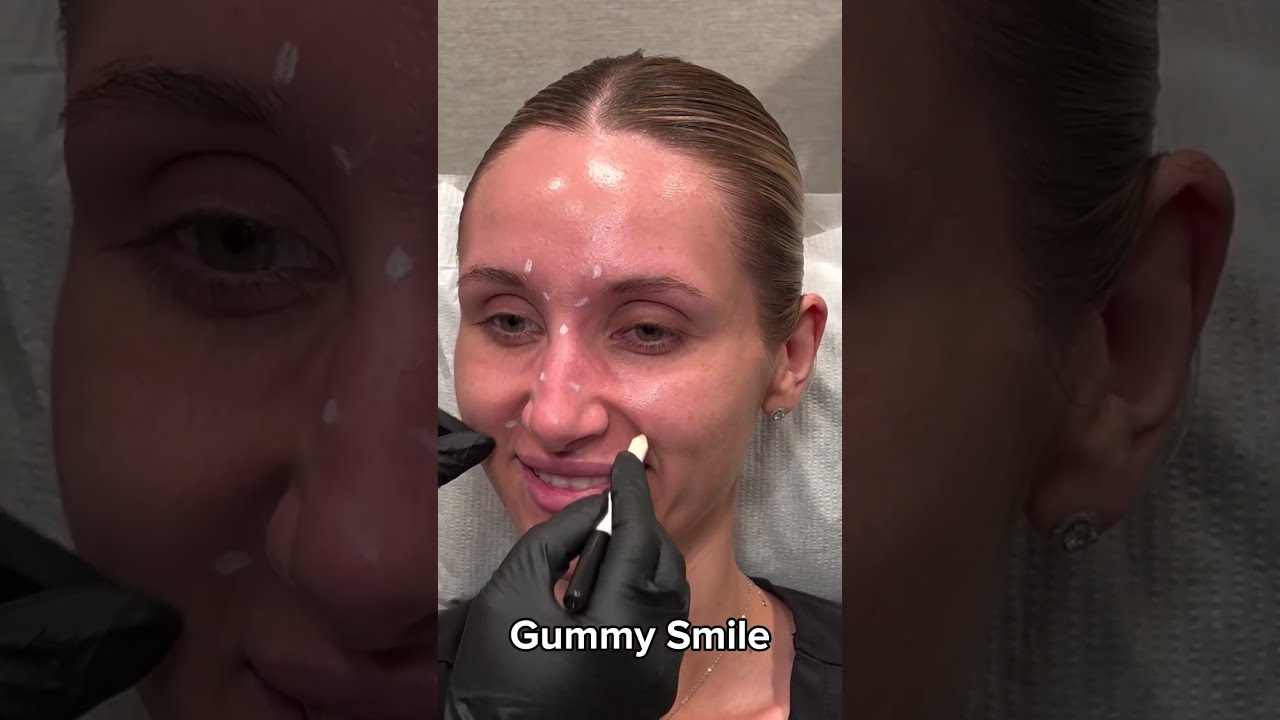
After your botox consultation and mapping, the skin is cleansed. I often use a very fine needle, 30 or 32 gauge. The injections take a few minutes. Most patients comment that the anticipation is worse than the reality. You may see little raised bumps like mosquito bites around each injection point; they flatten within the hour. Makeup can go back on gently after the skin seals.
I ask patients to frown, lift, and smile so we can confirm anatomy as we go. You can drive yourself home, attend a meeting, or return to your day. If you are planning a workout, give it half a day to reduce migration risk. By day two or three, you should feel the first signs of smoothing. By day ten, we can evaluate whether a tiny touch up would perfect the symmetry or refine a brow arc.
When subtle is not the right choice
Some situations call for stronger effect. Deep glabellar lines that trigger tension headaches, for example, may benefit from more decisive dosing. People who crave a glassy forehead with little to no lift can absolutely have it. The key is choosing the look you want and understanding the trade-offs. Heavier forehead botox may mean a flatter brow and a momentary adjustment to how you express surprise or emphasis. For a performer who relies on micro-expressions, that would be a poor fit. For an accountant who prefers a sleek, polished look under office lighting, it might be perfect.
Combining treatments without losing the natural look
Botox for fine lines works best on dynamic wrinkles. For static creases etched into the skin, pair botox wrinkle reduction with light resurfacing or strategic filler. I am conservative with filler in the upper face to avoid heaviness. Small, linear threads of hyaluronic acid can soften a stubborn forehead line after the muscle relaxes, usually at a follow-up visit. Skin quality treatments like gentle chemical peels or microneedling improve how light reflects off the skin, supporting a subtle refresh that reads as healthy, not “done.”
Choosing the right injector
Credentials matter. A certified botox injector with clinical training and deep anatomical knowledge is not a guarantee of artistry, but it sets the floor for safety. Ask how they handle asymmetry, how they decide botox units for your face, and what their plan is if you dislike an outcome. Look for a botox clinic that allows a two-week check and minor adjustments without extra fees. That policy reflects confidence and a commitment to natural results.
If you are comparing options, focus on consistent photo evidence, not just one dramatic transformation. Read a few reviews to see if patients mention listening skills. Subtlety requires hearing what the patient wants and respecting what makes their face theirs. The best botox is not the same on every person.
Maintenance that keeps results natural
Botox maintenance is simple: schedule repeat botox treatments every 12 to 16 weeks if you want steady results. If you prefer seasonal refreshes, time them around your calendar. The skin benefits from consistency; it spends more time in a relaxed state, which can soften lines long term. At each visit, we reassess. If your brows felt too still, we shift a few units away from the mid-forehead and add a hair more to the glabella to preserve lift. If one side faded faster, we rebalance. Small adjustments, done repeatedly, create the most believable outcomes.
As your life changes, so should your plan. A new fitness routine, a different hairstyle that exposes more forehead, a move to a sunnier climate, or a new role that involves public speaking can change how you want to look in motion. A thoughtful injector adapts botox aesthetic treatment to those realities.
Common myths that lead to unnatural results
“More units last longer.” Only to a point. Past an optimal dose for a muscle, adding more does not proportionally extend botox longevity. It just increases risk of spread and a heavy look.
“The forehead is one area.” The frontalis is a broad sheet with variable thickness. Treating it as a monolith ignores how different segments lift the brow. Smooth results come from respecting those segments.
“Only high arches look youthful.” Over-arched brows can look startled. A gentle, natural arc with a smooth central forehead usually reads more youthful and relaxed than a sharp peak.
“Botox fixes all wrinkles.” Static creases need collagen support or resurfacing. Ashburn botox clinics Botox for expression lines pairs beautifully with those tools, but it doesn’t fill.
A quick checklist for a natural plan
- Clarify your goal in verbs, not just nouns: soften, not erase; lift, not freeze. Bring photos that show your natural expressions from a few years back. Ask how your injector will preserve movement in the mid-forehead and around the eyes. Start conservatively, then fine-tune at a two-week follow-up if offered. Track your doses and timing to learn what your face prefers.
What subtle looks like, day to day
The test is not a mirror selfie; it is life in motion. Your partner sees you animated over dinner and does not comment on your face, only that you look well-rested. Makeup sits evenly on skin that doesn’t crease by noon. Photos under harsh lighting show fewer harsh lines but still your expressions. When you catch a glimpse in a shop window, you recognize yourself, just smoother around the parts that used to distract you.
Subtle botox is a conversation between muscle and injector, repeated over time. It respects anatomy and intent. It leans on small, smart choices rather than big, blunt ones. When done well, it disappears into the person wearing it, allowing personality and health to take the stage while the lines that once dominated the frame step back a pace.
Practical details at a glance
Botox results typically peak by two weeks and last around three to four months. Forehead botox requires careful dosing to preserve lift. Frown line botox often takes more units than people expect, because those muscles are strong. Crow feet botox should leave a hint of smile lines to look authentic. Preventive botox in smaller, more frequent doses can maintain a youthful pattern of movement with minimal downtime. The botox injection process is brief, with little discomfort and minimal bruising in most cases. Side effects are usually mild and short-lived. For cost, plan a budget that reflects your goals rather than chasing botox specials that promise a one-size-fits-all area price.
Above all, choose a provider who treats your face as singular. A trusted botox specialist asks questions, studies your expressions, and explains the why behind every injection point. That partnership is what gives natural-looking botox its staying power, not only in months of longevity, but in years of confidence that you look like yourself on your best day.